
Understanding Giclée Prints: What They Are, How Do You Say It, and Why They're an Affordable Addition to Your Wall Art
- Feb 2
- 3 min read
When you fall in love with a stunning wildlife photograph or a nature-inspired piece of art, you want to make sure it looks just as breathtaking on your wall as it does on your screen. But how do you know if the print you’re buying will truly capture the colors, details, and spirit of the original work? That’s where giclée prints come in. If you’ve heard the term but aren’t quite sure what it means or why it matters, this post is for you. I’ll walk you through what giclée prints are, how to pronounce the word, and why they matter to anyone who is growing their collection of wildlife photography and art prints.

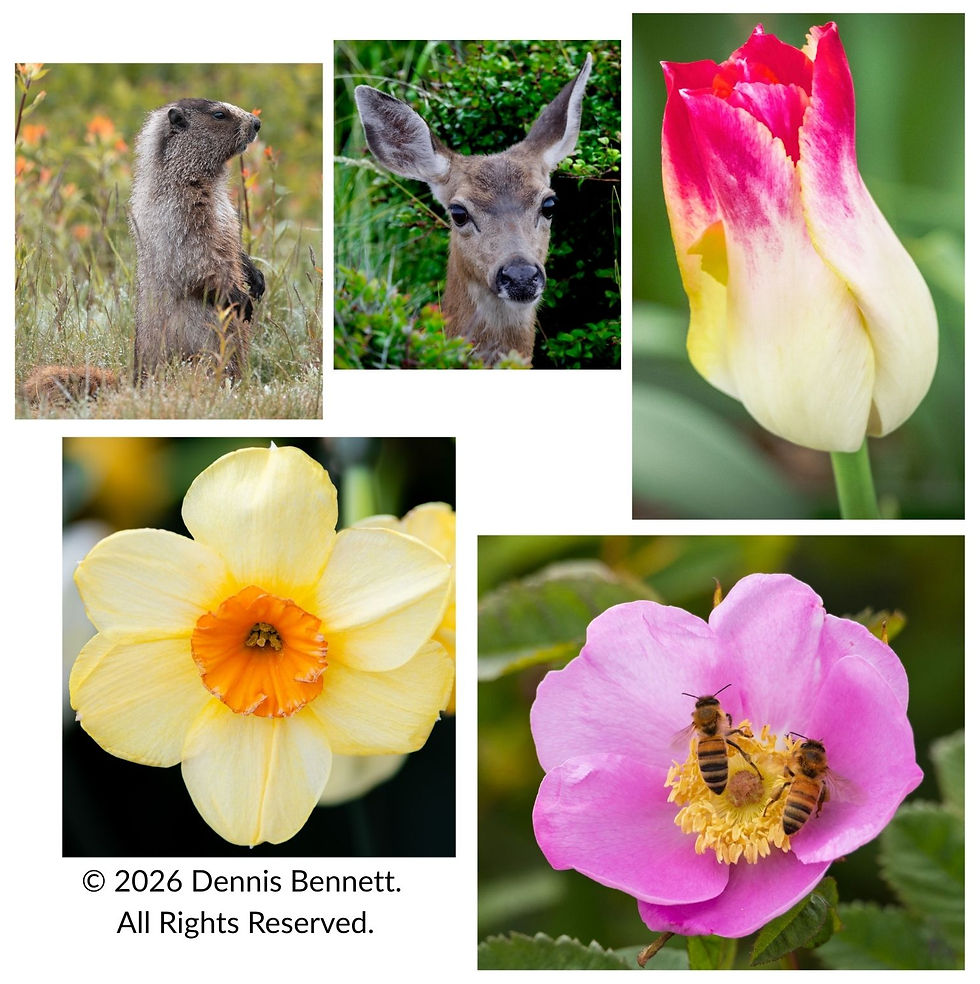
Giclée prints bring wildlife photography to life with vivid colors and sharp details.
What Is a Giclée Print and How Do You Say It?
Let’s start with the basics. The word giclée (pronounced zhee-clay) comes from the French verb gicler, which means “to spray” or “to squirt.” This refers to the way the ink is applied to the paper or canvas during printing. Unlike traditional printing methods using dye-based ink, giclée uses high-quality inkjet printers that spray tiny droplets of archival-quality pigment ink onto the surface, creating incredibly detailed and vibrant images that last far beyond dye prints.
The pronunciation can be tricky if you haven’t heard it before. It’s not “gick-lee” or “gick-lay” like I once thought before I learned. Instead, say it like zhee-clay — with a soft “zh” sound at the start, similar to the “s” in “measure.”
Why Giclée Prints Matter for Wildlife Photography and Nature Art
If you’re passionate about wildlife photography or nature-inspired art, you want your prints to reflect the beauty and detail of the original scene. Here’s why giclée prints stand out:
Color Accuracy
Giclée prints use archival-quality inks that can reproduce a wide color range. This means the greens of the forest, the subtle feathers of a bird, or the rich fur tones of a fox come through with stunning realism.
Fine Detail
The tiny ink droplets allow for sharp details, capturing textures like the veins on a leaf or the delicate feathers of a hummingbird. This level of detail makes the print feel alive.
Longevity
Giclée prints are made with fade-resistant inks and high-quality papers or canvases. When cared for properly, they can last 75 years or more without losing color or quality. This makes them a great investment if you want your wall art to stand the test of time.
Versatility
Giclée can be printed on various surfaces, including textured fine art paper, smooth photo paper, or canvas. This flexibility lets you choose the look and feel that best suits your space and style.
Value
For wildlife photography and nature art lovers, giclée prints offer the best balance of color, detail, and durability. While they may cost more upfront, the quality and longevity make them worth it. They often are less than original works as well. So if you see an original piece you love, a giclée is often a more affordable way to add the artists work to your collection.
What to Look for When Buying a Giclée Print
If you decide to buy a giclée print, here are some tips to ensure you get the best value:
Ask About the Paper or Canvas
Archival-quality, acid-free papers or canvases are best. They prevent yellowing and degradation over time.
Check the Ink Type
Pigment-based inks last longer and resist fading better than dye-based inks.
Look for Artist or Printer Information
Reputable artists or galleries will provide details about the printing process and materials used.
Consider Limited Editions
Some giclée prints are part of limited runs, which can increase their value and exclusivity.
How to Care for Your Giclée Wall Art
Once you have your giclée print, proper care will keep it looking fresh:
Avoid Direct Sunlight
Even fade-resistant inks can degrade with prolonged exposure to strong sunlight.
Use UV-Protective Glass or Acrylic
If framing, choose UV-protective glazing to shield your print.
Keep Away from Humidity
High humidity can damage paper and canvas. Display prints in a dry environment.
Handle with Clean Hands
Oils and dirt can affect the surface, so handle prints carefully.
Why Giclée Prints Are a Smart Choice for Entry-Level Art Collectors
If you’re just starting to build a collection of wildlife photography or nature-inspired art, giclée prints offer a great entry point. They provide museum-quality reproduction without the cost of original paintings or photographs. Plus, many artists offer signed and numbered giclée prints, giving you a piece that feels personal and collectible.
Buying giclée prints supports artists by allowing them to share their work widely while maintaining quality. You get a beautiful piece of wall art that connects you to the natural world and the artist’s vision.
I hope you now feel more confident in your understanding giclée so you can make the best decisions for you when making art purchases.


Comments